
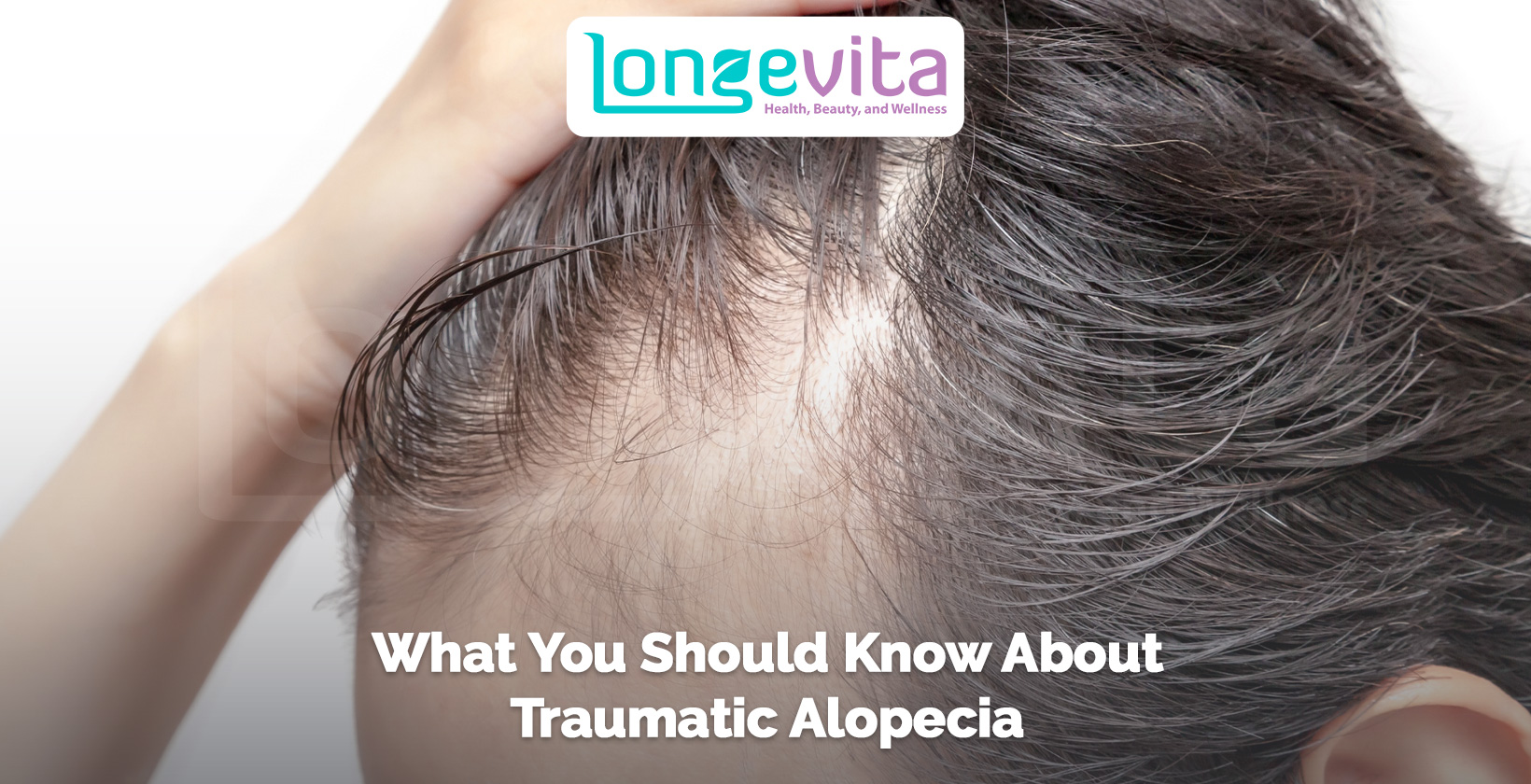
Traumatic alopecia is something that can happen without you even knowing about it. And you might not always be able to prevent it. However, it’s possible in certain instances, which is why it’s a good idea to be aware of what’s happening to the hair on your scalp.
In this guide, you’ll learn more about the causes, reversibility and treatments for trauma hair loss.
What Is Traumatic Alopecia?
Traumatic alopecia refers to hair loss due to chemical, physical or burn injury to the scalp. Depending on the source of the trauma, this kind of hair loss can be temporary or permanent.
In traumatic alopecia, hair can be forcefully uprooted from the follicles. For instance, trichotillomania sufferers do this to themselves in episodes. Moreover, there’s the possibility of forceful hair-pulling occurring as a result of physical abuse or altercation.
Traumatic alopecia can also happen due to damage to the scalp skin through blunt trauma (accidents or injuries), chemicals (dyes), heat (fire, styling tools) and electricity, among other things. Even pressure can end up causing traumatic alopecia. For instance, it’s common for babies to develop a bald patch on the back of their scalps due to friction pressure.
Therefore, traumatic alopecia isn’t always deliberate or avoidable.
What Are The Symptoms of Traumatic Alopecia?
Traumatic alopecia can be accompanied by the following signs and symptoms:
- Irregular-shaped bald patches
- Broken hair shafts
- Redness
- Bleeding
- Swelling
- Scarring
Symptoms can vary depending on the kind of trauma you’ve experienced. For instance, if traumatic alopecia is due to traction from tight hairstyles, it can also be accompanied by pustules and tenting of the scalp skin.
How Do You Get Traumatic Alopecia?
Traumatic alopecia can happen due to any of the following:
Trichotillomania
Trichotillomania is a hair-pulling disorder. It’s a form of traumatic alopecia because the person repeatedly plucks the hair out from a particular area on the scalp, face or body. As a result, they can end up with a permanent bald spot (if it’s not managed).
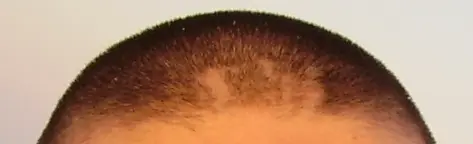
Giacomo Ritucci, Tricotillomania, CC BY-SA 3.0
It should be noted that there’s also a “trichotillomania-by-proxy” — it’s when the patient isn’t the one who’s plucking the hair, but it is, in fact, done by someone else (a proxy). Physically abusive parents can do this to their children.
Traction Alopecia
Traction alopecia is another type of self-inflicted traumatic alopecia. Usually, tight hairstyles and accessories are blamed for it.
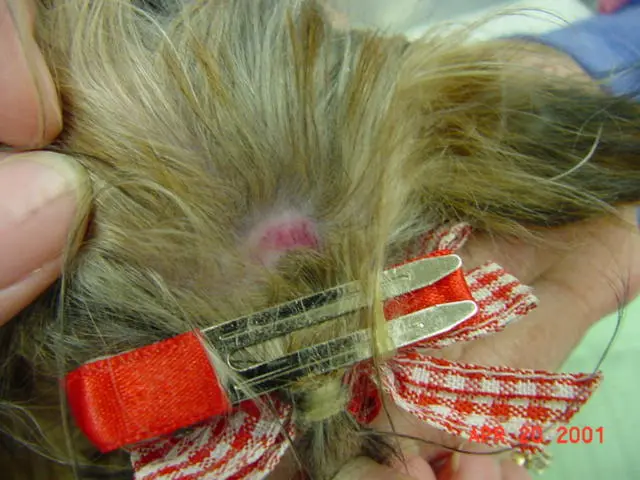
Traction alopecia, CC BY-SA 3.0
With traction alopecia too, it’s possible to grow your hair back if the condition is still in its early stages. However, once it’s past that, you can end up with a permanent bald patch.
Pressure-Induced Alopecia
Physical pressure can also cause hair loss due to trauma.
As mentioned above, babies temporarily lose their hair due to lying on cribs or mattresses for long periods of time.
Pressure-induced alopecia can also occur due to head immobilisation during surgery and staying in the intensive care unit for a long period of time, according to a review International Journal of Trichology.
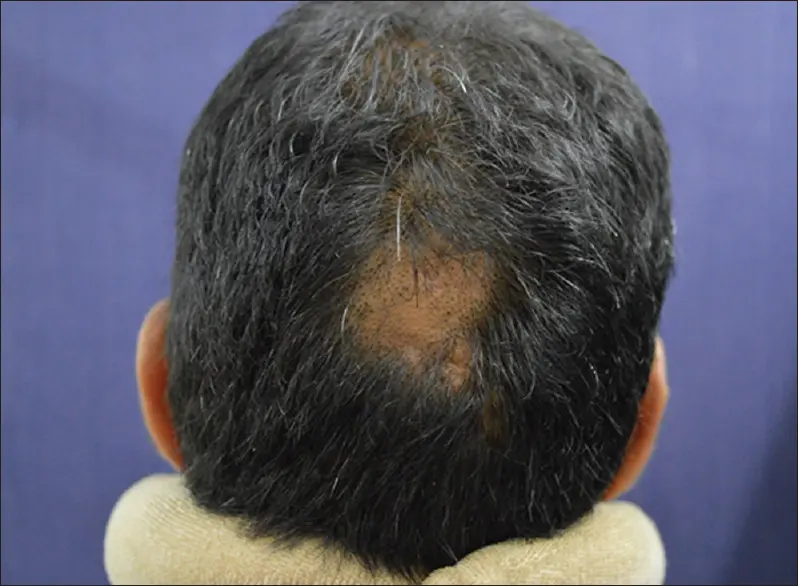
10.4103/ijt.ijt_46_20. Epub 2022 Feb 1. PMID: 35300106; PMCID: PMC8923146/CC BY-NC-SA 4.0
If treated early on, it’s possible to reverse this kind of hair loss. However, it can also lead to permanent baldness (it can leave scars).
Overuse Syndrome
As the name suggests, overuse syndrome is when you damage or injure a part of your body due to overuse.
While it most commonly affects knees and feet, curiously enough, it can also cause hair loss on the scalp due to a specific reason: headspinning in breakdancing.
It’s also known as the “headspinner’s hole” and was first described in 2009 in a research published in the journal Sportverletzung Sportschaden.
In the study, around 30% of the break dancers had experienced hair loss due to headspinning. More than 36% of them also had scalp inflammation, while 23.6% of them had painless lumps on their heads.
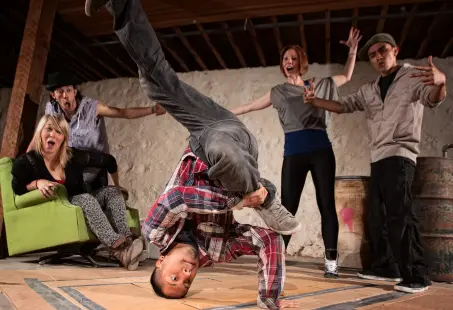
One case report published in the Journal of Cutaneous Medicine and Surgery also reported break dancing as a risk factor for lichen planopilaris — a type of scarring alopecia. Therefore, this type of traumatic alopecia can cause permanent hair loss.
Ovestyling
Hair styling tools can inadvertently cause traumatic alopecia. Different researches on different hair tools have shown as much.
One case study published in the Archives of Dermatology reported that brush rollers and even hairpins could be responsible for traumatic alopecia.
Trichorrhexis nodosa is a hair shaft disorder that can be caused by the use of hair styling tools like:
- Blow dryers
- Hot combs
- Straighteners
- Brushes (when overused)
- Excessive exposure to chemicals (like in perms)
It’s possible to reverse this kind of traumatic hair loss. However, you need to minimise trauma to the hair shafts.
Burns
A burn injury can be caused by fire, chemicals, electricity, friction, etc. Deep enough, it can damage the tissue and leave permanent scars, which can cause permanent hair loss as well.
Plastic and reconstructive surgeries are usually done in such instances.
Injury
Physical trauma or injury from a blow to the head can also cause hair loss.
While the injury can cause traumatic alopecia, you can also lose hair due to a shock to your system (telogen effluvium or alopecia areata).
This kind of hair loss can be permanent or temporary.
Is Traumatic Alopecia Permanent?
Traumatic alopecia can be permanent, but it depends on the source of the trauma, its duration and severity.
In some cases, if it’s caught early on and treated, it’s possible to reverse it and grow your hair back. This may take a few months.
However, if it leaves scars and/or damages the hair follicle, you’re not likely to grow your hair back.
Can You Fix Traumatic Alopecia?
It can be possible to fix traumatic alopecia with medication, changes in lifestyle and hair practices, therapy, PRP, and/or hair transplant surgery.
Treatment depends on the kind of trauma you’ve experienced. For trichotillomania, primary treatment is usually habit reversal training.
In the case of traction alopecia, patients are usually advised to change their hairstyles (wear them loosely). Minoxidil and innovative regenerative therapies like platelet-rich plasma (PRP) injections can help if it’s temporary, but hair transplantation is most effective for permanent hair loss.
With pressure-induced alopecia, turning the head can help eliminate the problem.
But if you have scars from any kind of traumatic alopecia, you might be able to restore hair through surgery. Your doctor will have to assess the scars first.
Experiencing Hair Loss?
For over a decade, Longevita has been facilitating top-quality surgical and non-surgical hair restoration treatments at affordable prices. We arrange access to teams of highly experienced professionals in both London and Istanbul and we arrange different finance options in both countries. If you’re interested in starting your journey with us, feel free to get in touch!
Frequently Asked Questions
In addition to physical trauma causing hair loss, you may also experience hair loss three months following the “shock” of a traumatic accident. The latter is known as telogen effluvium, which results in diffuse thinning all over the scalp; the condition does eventually resolve on its own.
Hair loss can occur as a result of chemical trauma. One study published in 2022 found that chemical straighteners can have several detrimental effects, including inflammation of the scalp, hair shaft damage and hair loss. If the roots of the hair are intact, regrowth can occur in chemical trauma hair loss. The hair loss may, however, be permanent if there is scarring.
A mental health condition such as post-traumatic stress disorder can cause hair loss in individuals as a result of telogen effluvium, alopecia areata, or self-inflicted trichotillomania (a hair-pulling disorder).
Trauma to the head can cause hair loss as your hair follicles will be affected. When this happens, the hair usually grows back, but if there is scarring, the hair loss may be permanent.
This depends on the kind of trauma you’ve experienced. For instance, if you have had your hair pulled out in a physical altercation, the hair loss will be immediate. On the other hand, you can experience hair loss about 3 months after a “shock” event — which can be physical and/or emotional.

Dr Cagla
Dr Cagla earned her medical degree at Trakya University’s Faculty of Medicine in Bulgaria and has almost 6 years of hair transplantation experience. She is a specialist in FUE, DHI and Sapphire hair transplants of the scalp, eyebrows and beard and has performed over 6,000 surgeries. Dr Cagla is multilingual, with fluency in English, Bulgarian and Turkish.
