
An Overview of Modern Hair Transplant Techniques
Hair transplant techniques have advanced rapidly in recent years, offering patients more effective, minimally invasive options tailored to different hair types, goals, and stages of hair loss. From FUE and DHI to specialist approaches like Sapphire FUE, understanding the differences can help you choose the right method for your needs.
In this guide, you’ll find a clear overview of the techniques we offer — and why we focus on modern solutions that deliver the most natural results with minimal downtime.
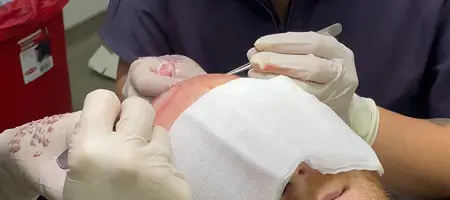
FUE is a minimally invasive method where individual hair follicles are extracted and implanted one by one. It offers natural-looking results, no linear scarring, and a faster recovery compared to older methods.
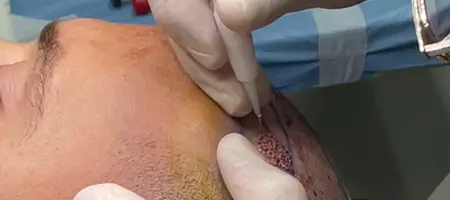
DHI builds on FUE, using a specialised Choi pen that allows for precise placement and angle control. Ideal for denser hairlines and natural hair direction.
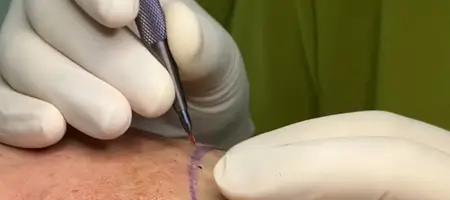
A refined version of FUE, Sapphire FUE uses ultra-sharp sapphire blades to create incisions. This can reduce scarring and speed up healing, with excellent precision.
Compare Hair Transplant Techniques
No one-size-fits-all solution exists in hair transplantation. The best technique for you depends on your hair loss pattern, donor area quality, scalp characteristics, and your goals.
| Technique | Scarring | Recovery Time | Ideal For | Cost Estimate | Natural Results |
|---|---|---|---|---|---|
| FUE | None/Minimal | 7-10 days | Most hair types | ££ | ⭐⭐⭐⭐ |
| DHI | None/Minimal | 5-7 days | High-density hairlines | £££ | ⭐⭐⭐⭐⭐ |
| Sapphire FUE | Minimal | 7-10 days | Quick healing, precision | £££ | ⭐⭐⭐⭐ |
During your free consultation, our expert team will assess your case and recommend the most suitable method.
Hair Transplant Techniques for Different Hair Types
Longevita offers advanced hair transplant techniques designed for specialist hair types. Whether you are considering an Afro hair transplant, a female hair transplant, or a beard transplant, our experienced medical teams adapt each procedure to match your unique hair characteristics. From curl pattern and density to natural hairline design, every treatment is tailored to deliver safe, natural-looking, and long-lasting results for patients seeking effective, affordable hair restoration.
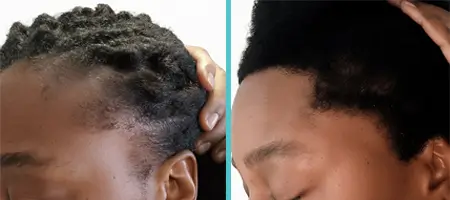
Afro-textured hair requires an experienced approach due to the unique curl pattern of follicles. Our surgeons use a modified technique to achieve optimal results for Afro hair types.
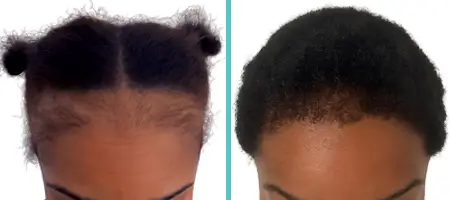
Hair transplants for women use FUE or DHI techniques tailored to suit female hairlines and diffuse thinning patterns. Ideal candidates have stable hair loss and sufficient donor hair.
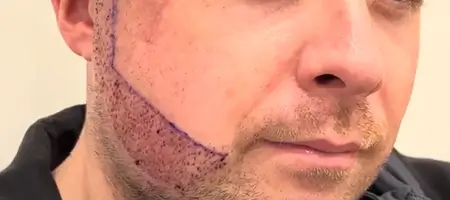
Beard transplants use the FUE technique to restore or enhance facial hair growth. Grafts are taken from the scalp and implanted into patchy or uneven areas to create a fuller, natural-looking beard.
Your Bespoke Hair Restoration Journey
Our expert patient consultants can guide you on your hair transplant journey and provide you with a treatment plan for your hair restoration goals. We’re here to make the process easy, transparent and stress-free — from your first message to your final results.
Complete the form to receive your personalised treatment recommendation and quote.
Free Discovery Call
PRP Hair Treatment (Platelet-Rich Plasma Therapy)
PRP is a non-surgical hair restoration treatment that uses your body’s own platelets to stimulate inactive or weakened hair follicles. A small amount of your blood is processed to extract growth factors, which are then injected into the scalp to promote stronger, thicker hair growth.
This treatment is ideal for early-stage hair thinning in both men and women and can be used alongside a transplant or on its own to maintain density and slow shedding. PRP involves no downtime and is performed as an outpatient procedure in under an hour.
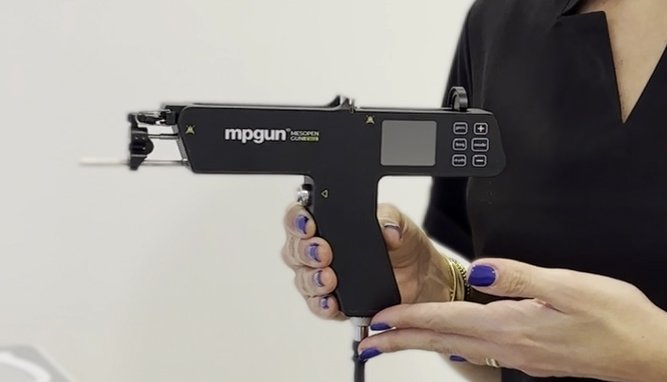
Alternative Techniques & Applications (Informational Only)
At Longevita, we focus exclusively on advanced, minimally invasive methods like FUE, DHI, and Sapphire FUE. However, we understand that patients often come across other techniques during their research — such as FUT, ICE grafts, body hair transplants, or scar repair using FUE.
While wedo not currently offerthese procedures, we’ve included brief summaries below to help you understand how they compare and why we’ve chosen to specialise in the methods we believe deliver the safest and most effective results.
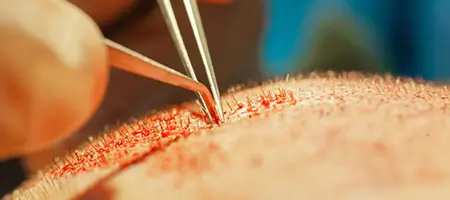
FUT (Follicular Unit Transplantation)
Although still offered at some clinics, Longevita does not perform FUT (Follicular Unit Transplantation), also known as the “strip method.”
While it can be effective, FUT involves a more invasive procedure, longer healing, and a permanent linear scar. We’ve chosen to focus on advanced, minimally invasive alternatives like FUE and DHI to offer our patients a safer, more comfortable experience with better aesthetic outcomes.

Hair Transplant for Scar Repair
While it’s possible to implant hair into scars left by injuries or previous surgeries, results can vary based on the scar’s thickness and age. Some clinics offer scar repair using the FUE method to camouflage areas with missing hair.
At Longevita, we currently do not perform hair transplants for scar repair, but we’re happy to advise on alternative treatments during your consultation.
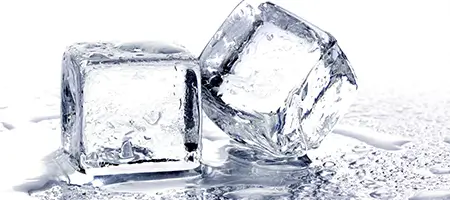
ICE Graft Hair Transplantation
ICE grafts involve chilling hair follicles before implantation to improve graft survival. While promoted by some clinics, there is limited clinical evidence supporting its benefits. Longevita does not offer ICE grafts, focusing instead on proven FUE and DHI techniques.
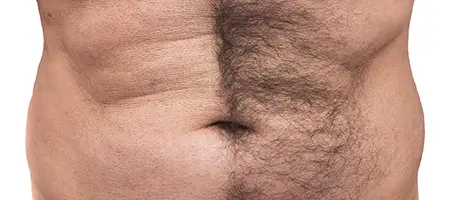
Body Hair Transplants
In some cases, body hair (such as from the chest or beard) is used when scalp donor areas are insufficient. However, body hair differs in texture and growth cycles. Longevita does not perform body hair transplants, as we prioritise scalp-based solutions with more predictable outcomes.
Frequently Asked Questions
Each method differs in how the hair grafts are extracted and implanted. FUE involves removing individual follicles and implanting them manually. DHI uses a special Choi pen, allowing for greater precision. FUT, a more traditional technique, involves removing a strip of scalp to harvest grafts.
Learn more about the FUE technique →
Learn more about the DHI technique →
Learn more about the FUT technique →
Both FUE and DHI offer highly natural results when performed by experienced surgeons. The key difference lies in technique and hair density goals. Your surgeon will recommend the most suitable method based on your needs.
Yes. Afro-textured hair requires specialised handling due to the curl pattern of follicles. FUE is typically adapted for Afro hair transplants, but it must be done by an experienced surgeon with expertise in this area.
FUE and DHI generally have shorter recovery times than FUT, since they are less invasive. DHI may require slightly less downtime depending on the number of grafts and implantation areas.
Yes. DHI is often more expensive due to the specialised equipment and longer operating time. FUT is usually cheaper but comes with more visible scarring.
The right technique depends on your hair loss pattern, donor area quality, goals, and hair type. During your free consultation, our medical team will recommend the most suitable option for your case.
We focus exclusively on modern, minimally invasive methods like FUE and DHI, which offer faster recovery and no linear scarring. Older techniques like FUT are more invasive and typically require stitches, which is why we do not perform them.
ICE grafting involves chilling hair follicles before implantation to potentially increase graft survival. However, there’s limited clinical evidence to support this method. At Longevita, we focus on established, evidence-based techniques like FUE and DHI for consistently reliable outcomes.
No. While some clinics use hair from the chest, beard, or back when scalp donor areas are limited, body hair differs in texture and growth cycles. For best results, Longevita uses scalp hair as the donor source and does not currently offer body hair transplants.