
FUT Hair Transplants: How They Compare to FUE
It’s common to hear two abbreviations when discussing hair transplants: FUT and FUE. Though FUE is far more popular, FUT is another form of hair transplantation that used to be more popular in the past. Due to a number of reasons, that has changed now, but surgery is still performed.
In this guide, you’ll learn more about FUT hair transplants, their potential costs and how they may differ from FUE hair transplants.
What Is a FUT Hair Transplant?
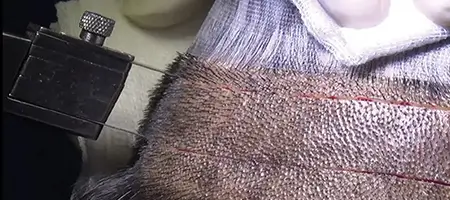
Follicular unit transplant, also known as FUT or strip harvesting, is a method of harvesting hair grafts from the donor area of the scalp for transplantation.
In a hair transplant, scalp hair is essentially redistributed from the back and the sides (the donor areas) to the front. That’s because the hair in the donor area of the scalp is resistant to the effects of the hormone (dihydrotestosterone) that is linked to pattern baldness.
In terms of removing this “safe” hair from the donor area of the scalp, there are two ways to do this: FUE (follicular unit extraction) and FUT.
The former involves scoring individual follicular units in the scalp with a punch tool and then removing them with forceps. In the latter, however, an entire strip of skin is excised from the back of the scalp, from which individual follicular units are then harvested under a stereomicroscope.
Following that, the method of incision-making and graft placement is similar in both FUT and FUE hair transplants.
Did you know that FUT wasn’t the earliest hair transplantation method?
Before FUT, hair transplantation surgery was done using the “punch graft method,” as noted in one study. However, the results from this procedure had a pluggy, unnatural appearance. Eventually, the FUT method was introduced in the 1990s; instead of using large punches, this technique involved harvesting naturally occurring groupings of 1-4 hairs called follicular units. While the procedure gave more natural-looking results, the trade-off was a linear scar left at the back of the scalp.
Later, in 2002, a refined follicular unit extraction (FUE) technique was then introduced, which extracted grafts directly from the scalp and didn’t leave a linear scar. With time, the FUE technique far surpassed FUT in popularity and demand.
Who Is A Suitable Candidate For FUT Hair Transplants?
To make sure you’re an ideal candidate for FUT, your surgeon will also assess your mental and physical health in addition to your medical history to make sure that you can have the surgery safely.
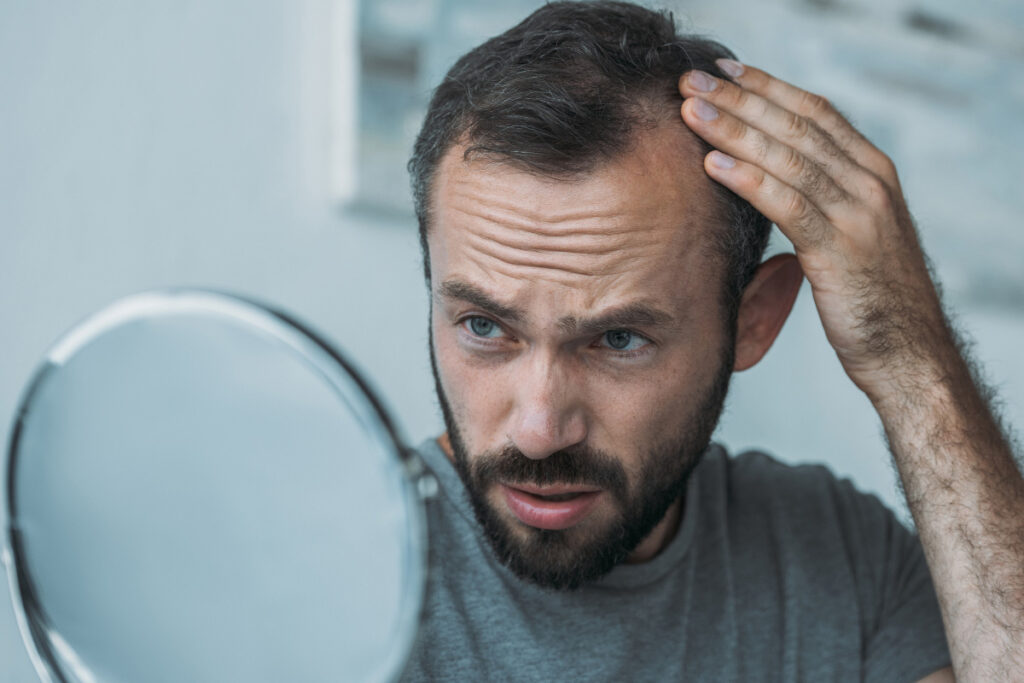
If you’re in the advanced stages of pattern baldness, you might be better suited for an FUT to avoid the risk of overharvesting the donor area and exposing FUE scars in areas that were previously harvested but vulnerable to hair loss.
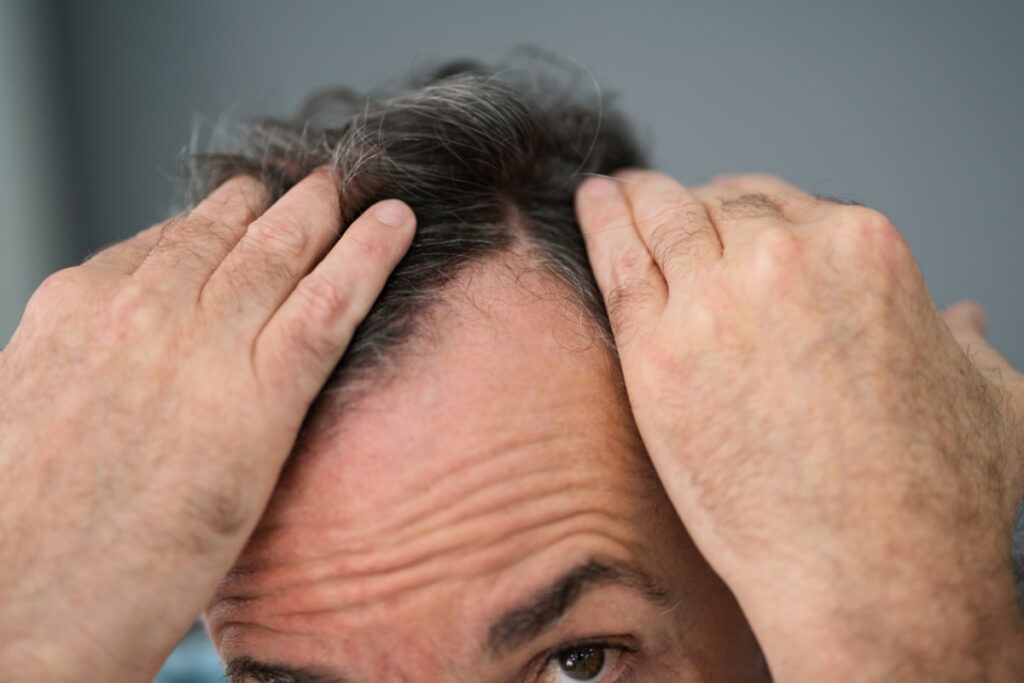
Before FUT, your surgeon will assess the skin of your scalp to make sure that it has good laxity, as that will affect the wound closure and the number of grafts that can be harvested during the procedure. If needed, your surgeon might also recommend scalp exercises to improve the laxity of your scalp.

If you plan to keep your hair long, you won’t have to worry about the visibility of the FUT scar on your scar. However, if you intend to cut it short, the FUT scar at the back of your scalp can become easily visible. For the latter, an FUE hair transplant would be more suitable for you.
Do people still do FUT?
Though FUT is considered an older method of hair restoration, it is still offered by many hair transplant clinics. ISHRS’ 2022 practice census showed that despite FUE being the most popular hair transplant method for men and women, FUT still accounted for 21.3% of male hair transplants and 41.7% of female hair transplants. Seeing as how FUT hair transplants can be useful in patients with extensive baldness, it’s unlikely that they’ll become completely unavailable anytime soon.
How Does a FUT Hair Transplant Work?
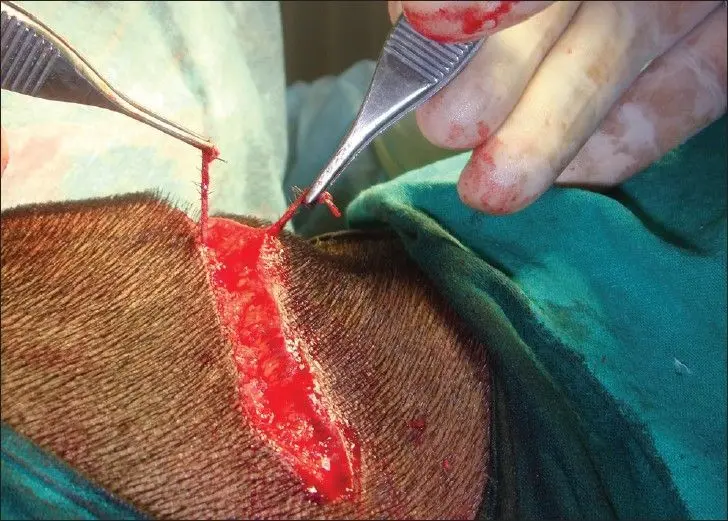
Under local anaesthesia, with the patient lying face down, a piece of skin is cut out from the back of the scalp for an FUT hair transplant. Following that, the two edges of the wound are brought together with the help of staples or sutures.
Here, it should be noted that a type of wound closure called “trichophytic closure” is being popularly used in FUT. That’s because this technique allows the hair to grow out of the scar, which helps hide it better, though it can still be visible.
Individual follicular units are then cut out from the piece of skin under a special microscope. These are then transplanted into the scalp after tiny incisions have been made for their placement in the balding (recipient) areas.
The entire surgery can take anywhere from 4 to 8 hours, the total duration will depend on the extent of the patient’s baldness and the grafts required.
How Many Grafts Are In a FUT Strip?
Though it can vary from one patient to another, it’s possible for 6,000 to 8,000 grafts to be extracted from the scalp using FUT strip harvesting. Importantly, keep in mind that this number isn’t necessarily a constant. Depending on the strength of your donor area, fewer or more grafts might be available.
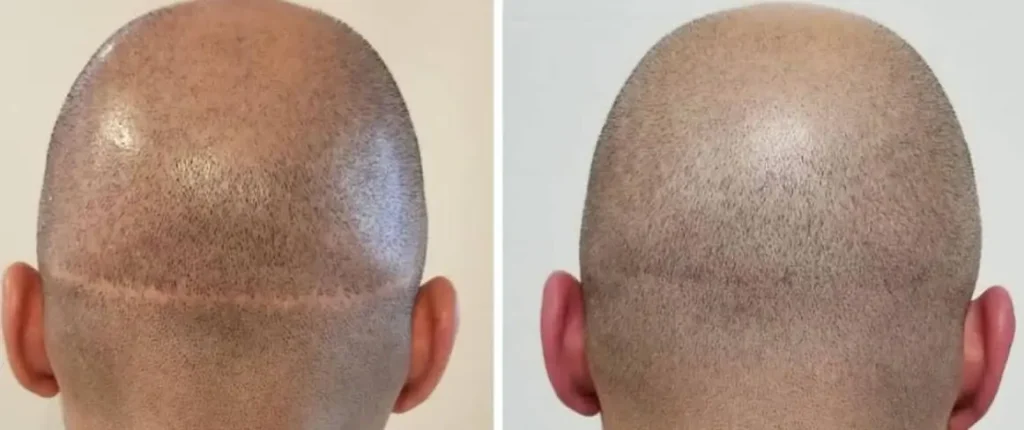
FUT leaves behind a scar in the form of a single line because it harvests skin from the donor area. The length of the FUT scar can vary depending on how much tissue was removed.
According to one study published in the Indian Journal of Plastic Surgery, the width of FUT tissue to be excised can vary from 8-10 mm — although if the patient has good scalp laxity, the tissue can be as wide as 1.5 cm or even more. The length of the strip, on the other hand, can be from 15 to 30 cm.
To avoid putting tension on the wound, it’s likely that your surgeon would prefer a longer, narrower scar than one that is shorter but wider and is more difficult to close.
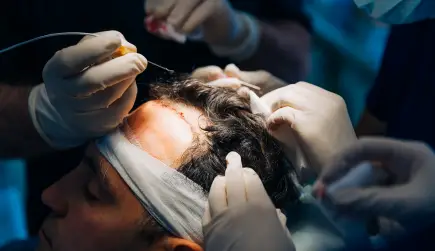
Recovery from a FUT hair transplant can take 10-14 days. After 2 weeks have passed, your newly transplanted grafts will become secure in your scalp. However, it won’t be until after around 4 months that your hair will start to grow and the final results typically appear at the 12-month mark.
During recovery, you can experience some temporary side effects, such as swelling, redness, pain, and tightness. You can also experience shock loss, which is a kind of temporary hair loss; typically, it affects the recipient site (where the grafts were transplanted) but it can also occur in the donor area of the scalp. It’s a fairly common side effect of the surgery and resolves with time.
How Long Does FUT Hair Transplant Last?
The results of an FUT hair transplant are meant to be permanent and last a lifetime. Since the transplanted hair isn’t affected by the hormone that causes hair loss, it should stay in place.
On the other hand, your non-transplanted hair can still fall off due to the progression of your pattern hair loss.
What Are The Potential Risks Of FUT Hair Transplants?
Like any other surgery, a FUT hair transplant carries certain risks. Some of these are as follows:
- Infection
- Numbness
- Bad scarring
- Folliculitis
- Wound dehiscence
- Necrosis
This list is not exhaustive; it’s important to have a thorough understanding of all the potential risks with your surgeon before the procedure so you can make an informed decision.
How Much Is FUT Hair Transplant?
In the UK, a FUT hair transplant may cost around £5,000, though the price can largely vary depending on your extent of baldness. A more advanced case may cost more than £10,000.
Typically, an FUT hair transplant is considered cheaper than an FUE surgery because the former is relatively less laborious. Still, there might not be much of a difference in the price per graft of the two procedures.
What Are the Pros and Cons of FUT Hair Transplants?
Some of the pros and cons of FUT are as follows:
You do not need to shave your entire head for a FUT hair transplant. Only the piece of skin that will be cut out from your scalp will be shaved. This can make it possible for you to have the surgery more discreetly as the incision line can be hidden by your surrounding hair.
It might be more suited for individuals with extensive hair loss.
It can leave a relatively prominent linear scar at the back of the head, which can be easily visible when the hair is cut short. In contrast, FUE scars are much smaller and spread out, making them virtually undetectable.
If scalp laxity is an issue, you might be considered a better candidate for FUE over FUT.
Since an FUT hair transplant is more invasive and requires stitches, its recovery can be more challenging compared to FUE surgery.
What Are The Alternatives To FUT Hair Transplant?
Traditional follicular unit extraction and its variants direct hair implantation and Sapphire FUE offer a minimally-invasive alternative to FUT. As well, though these procedures are not scarless, they do not leave a relatively prominent linear scar at the back of the scalp.
Longevita does not offer FUT hair transplants!
In the UK, a FUT hair transplant may cost around £5,000, though the price can largely vary depending on your extent of baldness. A more advanced case may cost more than £10,000.
Typically, an FUT hair transplant is considered cheaper than an FUE surgery because the former is relatively less laborious. Still, there might not be much of a difference in the price per graft of the two procedures.
Interested In A Hair Transplant?
Longevita is a trusted provider of affordable and quality hair transplants in both London and Istanbul. If you have any questions, concerns or queries about this surgery or your hair transplantation journey, feel free to get in touch with us!
FAQs

Dr Cagla
Dr Cagla earned her medical degree at Trakya University’s Faculty of Medicine in Bulgaria and has almost 6 years of hair transplantation experience. She is a specialist in FUE, DHI and Sapphire hair transplants of the scalp, eyebrows and beard and has performed over 6,000 surgeries. Dr Cagla is multilingual, with fluency in English, Bulgarian and Turkish.